

The work
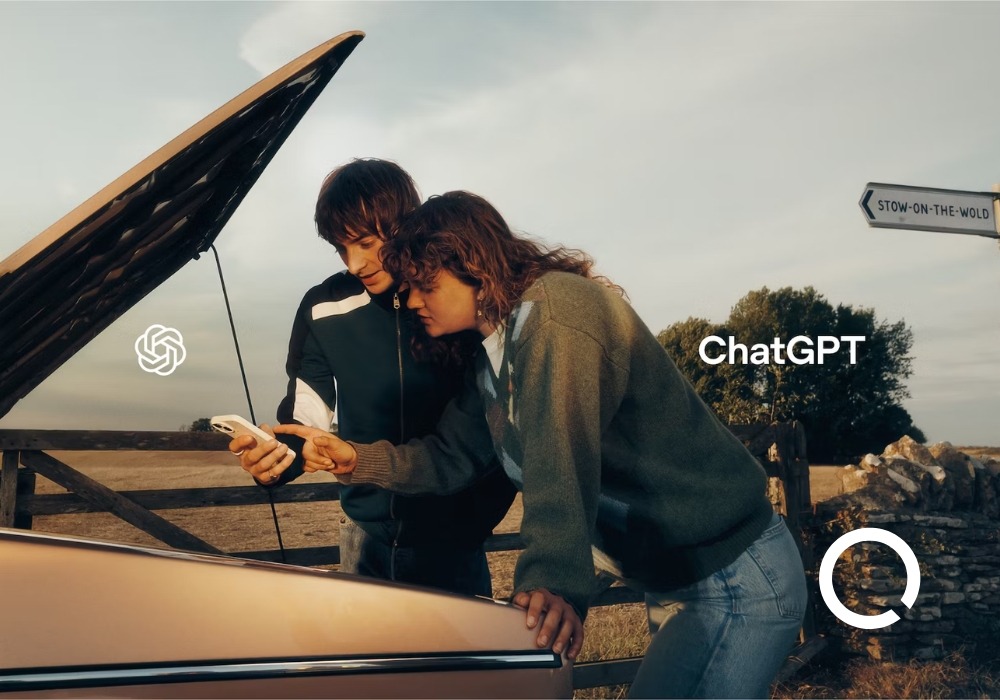
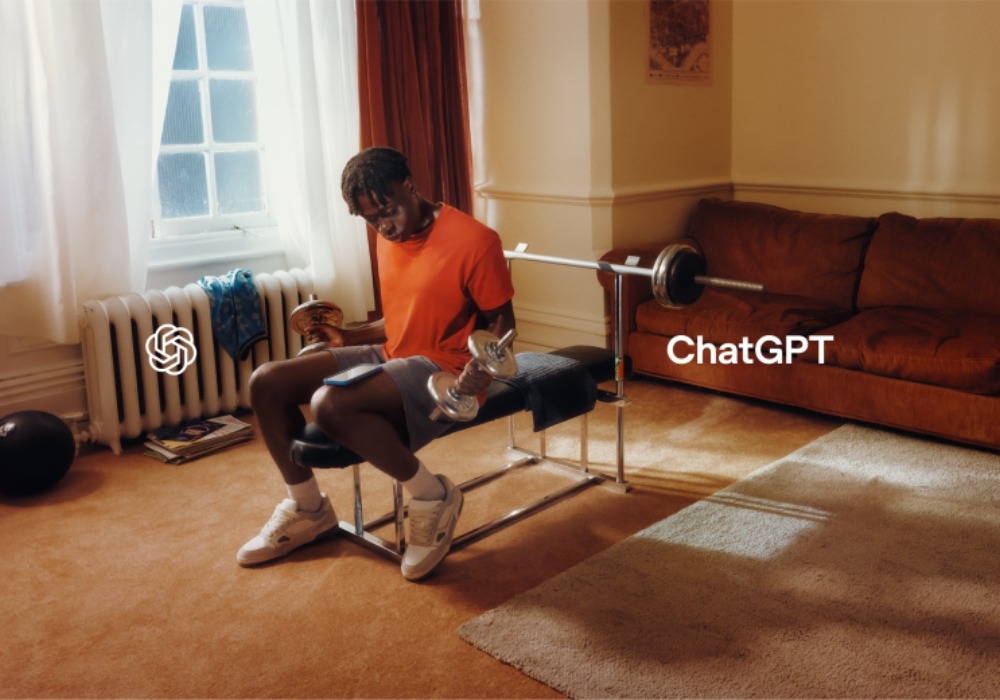
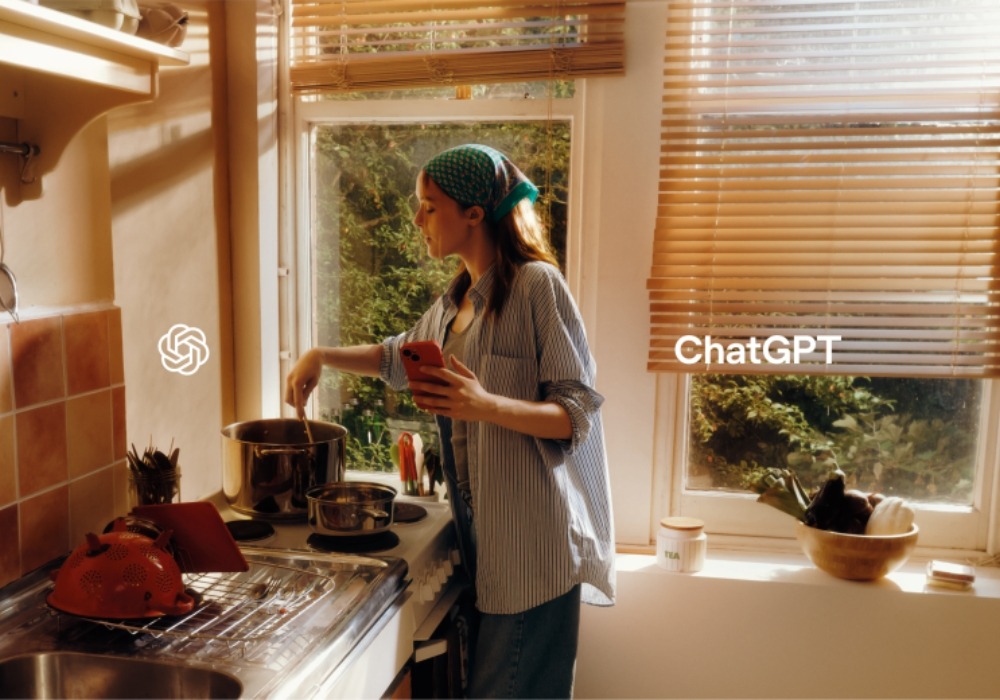
OpenAI has taken ChatGPT out of the tech bubble and into everyday life with its first large-scale brand campaign. The stories are small and human: someone finally nails a pull-up; someone cooks a meal that actually impresses. Each moment lands first, then we see the simple prompt that set it in motion. Shot with a warm, tactile feel, the films read like tiny final scenes rather than ads.
Out of home mirrors the approach with clear, documentary-style visuals that point to real use cases. The campaign runs across the US, UK and Ireland on outdoor, TV, streaming and social. Creative is led in-house, with partners where it sharpened the craft. AI supported behind the scenes; what you see is deliberately human.
This marks a shift from one-off spikes to long-term brand building. Less spectacle, more proof that ChatGPT helps with the next thing on your list.
The why
What type of marketing is this?
Human-centred brand building. It blends broad-reach media with product truth, using simple, real-life prompts to show how the tool fits into daily routines.
Why does it work?
Outcome first, explanation second. You watch the win, then see the prompt. Proof beats promise.
Everyday scale. Pull-ups, dinners, plans. No learning curve. Viewers recognise themselves and lean in.
Warm craft, high trust. Natural texture and restrained editing make the work feel honest in a category that can feel cold.
Placed in real routines. Sport, commute, primetime, high-footfall sites. It meets attention where it already lives.
One idea, many doorways. Food, fitness, travel, learning. Different audiences get their own “that’s me” moment.
Thy way
Mechanic 1: Meet people at their decision points
Whatever you sell, there is always a moment where a choice is made. For some it is the aisle, for others a pricing page, a checkout, a booking screen, a sign-up desk or a donation box. Treat those moments as media. Show up right there with a clear nudge that helps someone take the next step.
Mechanic 2: Make the cue crystal clear
People act when the ask is obvious. Use one recognisable brand cue and one short line beside a simple prompt, button or code. One action, one reward. Whether it is “get a quote”, “book a slot”, “try a plan” or “save this for later”, keep the instruction plain and visible.
Mechanic 3: Close the loop from interest to action
After someone taps, scans or clicks, land them somewhere that understands their context. Prefill what you can. If they were reading about fitness, open a starter plan. If they were near a shop, show the nearest stock. If they were exploring a service, open a short form that only asks for what is essential. The path should feel like a continuation, not a restart.
Mechanic 4: Remove needless effort
Speed and simplicity convert. Keep pages light, show one primary button, support autofill and sensible deep links. Offer a quick way to save or send details if the moment is rushed. Two steps is better than three. Fewer fields beats more. Everyone benefits from less friction, regardless of category.
Mechanic 5: Build it to last, then look after it
Creative and links decay if you do not maintain them. For physical placements, use durable materials and refresh before they fade. For digital, keep URLs stable, tags tidy and content accurate. If the trigger breaks anywhere along the path, the whole journey stalls.

Measurements
Start by measuring attention in a way that respects how people actually encounter the work. Look at how many people were likely to see it, how many chose to interact and how that varied by place and time. For outdoor, use privacy-safe attention estimates and simple proxies like unique scans or short-URL visits. For TV and streaming, read reach and frequency against the audiences you care about. For social, combine view quality with click quality rather than chasing raw views.
Then move to behaviour. The important question is what people did next. Did they start a plan, request a quote, add something to basket, begin a booking, download a guide or sign up for a trial? Track the time it takes from first interaction to that first meaningful step, and how many return within a week. This shows whether the story is not just seen but useful.
Commercial impact matters, but keep it honest. Compare people who were exposed to the work with a similar group who were not, and read the difference. Look at conversions, revenue where relevant, average order value, enquiries that turn into customers and the cost to create each extra action. Do not ignore long-term effects. Check retention at 30 and 90 days, and whether these cohorts engage more deeply over time.
Round it out with brand signals you can explain to a colleague in one sentence. Are more people familiar with you, considering you and trusting you after the campaign than before? Do more people agree that you help them do what matters? Use consistent questions across waves so the story builds cleanly.
What to do next
Put your most recognisable cue at a real decision moment and pair it with a clear reward. Choose one action you want and write it so a tired person on a busy day gets it at a glance. Avoid cleverness that slows people down.
Shape a short, universal path from trigger to value. Whatever your category, plan a version that works in two steps: the nudge, then the payoff. If step two cannot deliver the value, fix the path before you add more media.
Set up measurement you can trust. Create a simple control group, tag your creative consistently and agree the few numbers that will decide whether you scale up or change course. Share the results in plain English so the team and partners can act on them.
Keep the system tidy. Maintain assets and links, retire what underperforms and refresh the storylines that resonate. Add new everyday scenarios slowly so the campaign feels consistent rather than busy.
Invite your community to participate. Offer a simple template for creators, customers or staff to share their own “final scene” moments. Collect the best and feed them back into the system so the work stays grounded in real life.
Finally, mirror the idea on your own surfaces. If the campaign shows a plan, recipe, route or starter guide, make sure the same experience is one tap away on your homepage, app and help pages. Consistency attracts. Chasing creates noise.