

The Work
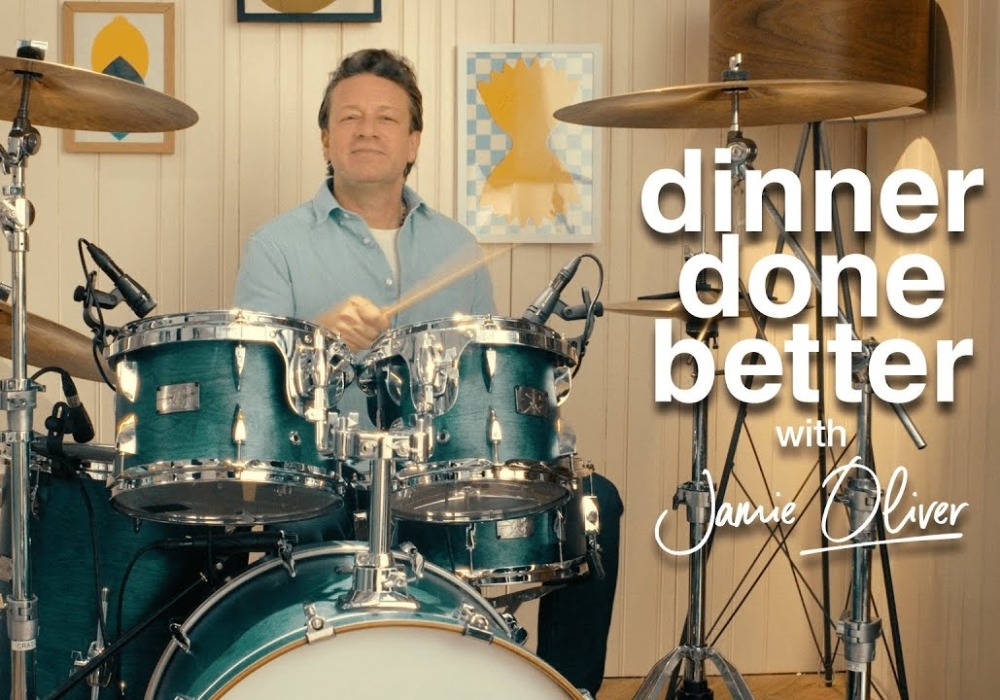
Dinner Done Better centres on a simple but ambitious mechanic. Millions of Xtra Savings customers receive a personalised video message from Jamie Oliver, greeting them by name and recommending a dinner recipe based on their real shopping behaviour.
The work does not ask customers to declare preferences or fill in questionnaires. Instead, it uses existing retail data such as category choices and protein buying patterns to infer what kind of dinner is most likely to feel right. Not idealised. Not aspirational. Just realistic.
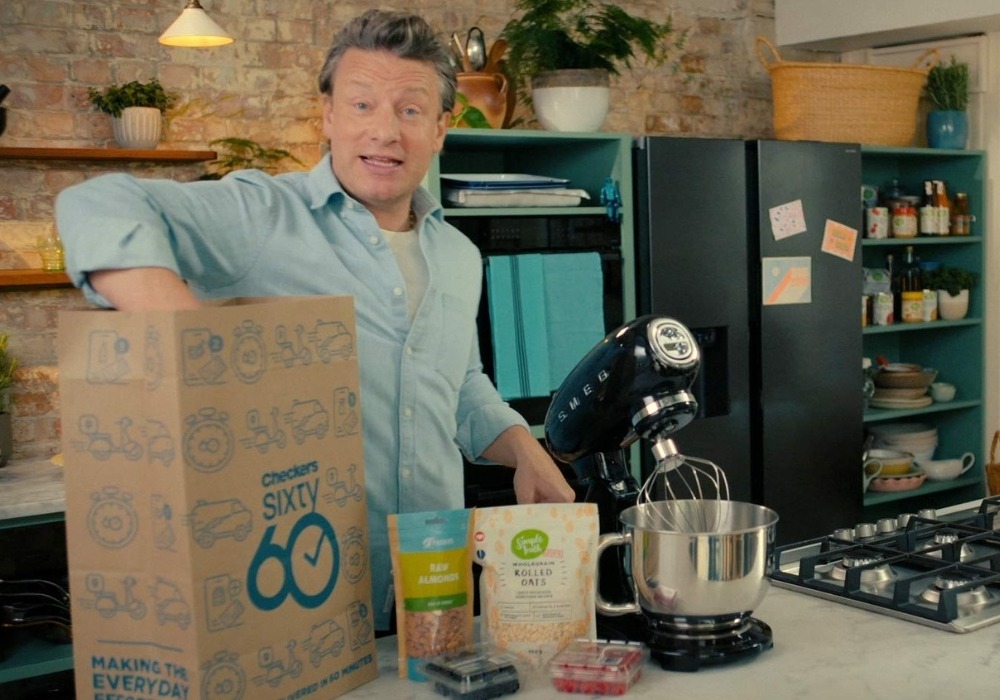
Visually, the execution is understated. Jamie speaks directly to camera in his familiar, calm tone. The recommendation is practical, framed as help rather than instruction. The AI remains invisible. There is no explanation of algorithms, no performance of cleverness. The output feels human because the technology stays in the background.
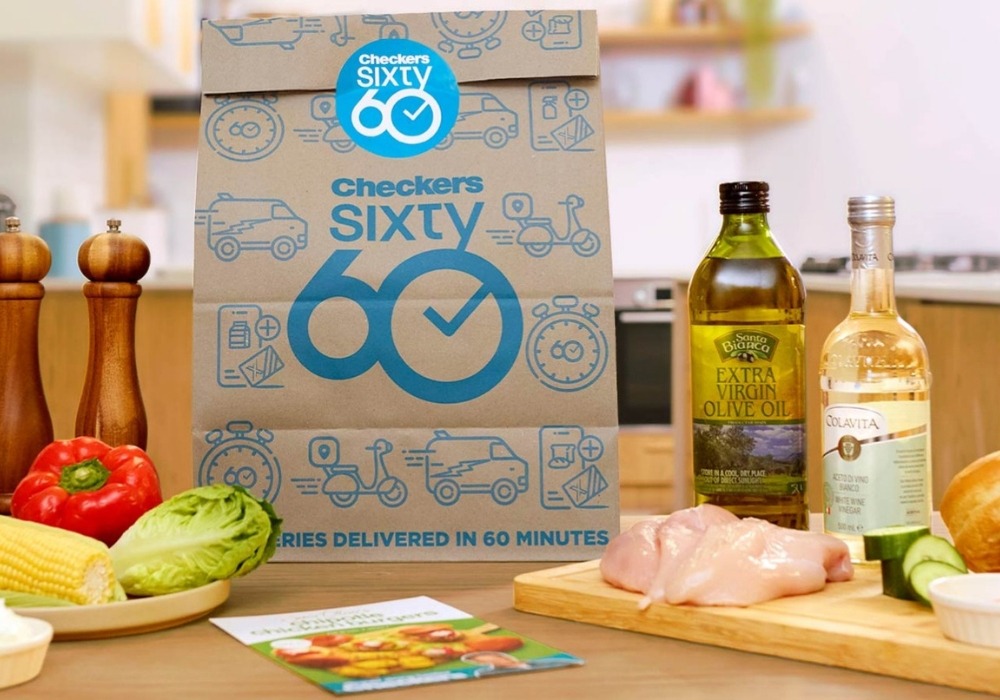
Crucially, the recommendation connects seamlessly to action. The recipe lives online, the ingredients are available immediately, and delivery happens in under 60 minutes via Sixty60. The moment of decision, the moment of purchase and the moment of cooking are collapsed into one continuous experience.
The work does not try to change how people cook. It fits into how they already shop, plan and compromise on weeknight dinners.
The Why
What kind of marketing is this?
It is decision-removal disguised as personalisation.
Why does it work?
It solves the real problem, not the visible one.
The challenge is not access to recipes or delivery. It is the mental load of deciding what to make at the end of a long day. This campaign targets that exact friction point.
It uses data as empathy, not optimisation.
Shopping history becomes a proxy for understanding lifestyle, routine and constraints. The recommendation feels helpful because it is grounded in behaviour, not assumptions.
It keeps AI invisible.
There is no celebration of technology. No explanation of how smart it is. The intelligence is felt only in how relevant the suggestion feels.
It turns personalisation into utility.
Hearing your name is not the value. Receiving a dinner idea that fits your habits, budget and time is.
It respects reality.
The recipes are quick, family-friendly and achievable. The campaign does not ask people to become better cooks. It helps them get dinner done.
It strengthens trust through restraint.
By not overreaching or over-promising, the brand positions itself as a quiet partner in everyday life, not a brand trying to perform relevance.
The Way
Mechanic 1: Use AI to remove decisions, not add features.
The most valuable output of intelligence is simplicity.
Mechanic 2: Build from revealed behaviour, not stated intent.
What people buy tells you more than what they say.
Mechanic 3: Let personalisation feel practical, not performative.
Relevance matters more than spectacle.
Mechanic 4: Keep the system end-to-end.
Insight without action is friction. Insight with immediate fulfilment becomes service.
Mechanic 5: Make the technology disappear.
When AI works best, people don’t notice it at all.
Measurement
Attention
High open and completion rates driven by genuine curiosity and name-level relevance.
Behaviour
Increased recipe engagement and conversion, with reduced drop-off between inspiration and purchase.
Commercial
Stronger basket relevance, higher frequency, and deeper emotional association with Checkers as a problem-solver, not just a retailer.
What to Do Next
- Identify the decisions your customers are tired of making
- Use existing data to infer needs rather than asking for more input
- Design AI outputs that feel like help, not marketing
- Connect insight directly to action
- Treat personalisation as a service, not a stunt
In short:
Dinner Done Better didn’t use AI to show how advanced Checkers is. It used AI to show how well it understands everyday life. One less decision. One less question. Just dinner, done better.