

The Work
This wasn’t just an ad. It was a response to a moment.
As fuel prices surged across South Africa, consumers expected the ripple effect:
Higher transport costs. Higher food prices. Higher delivery fees.
Sixty60 stepped in with a clear, confident message:
“Contrary to popular belief, our delivery fee isn’t increasing with the fuel price.”
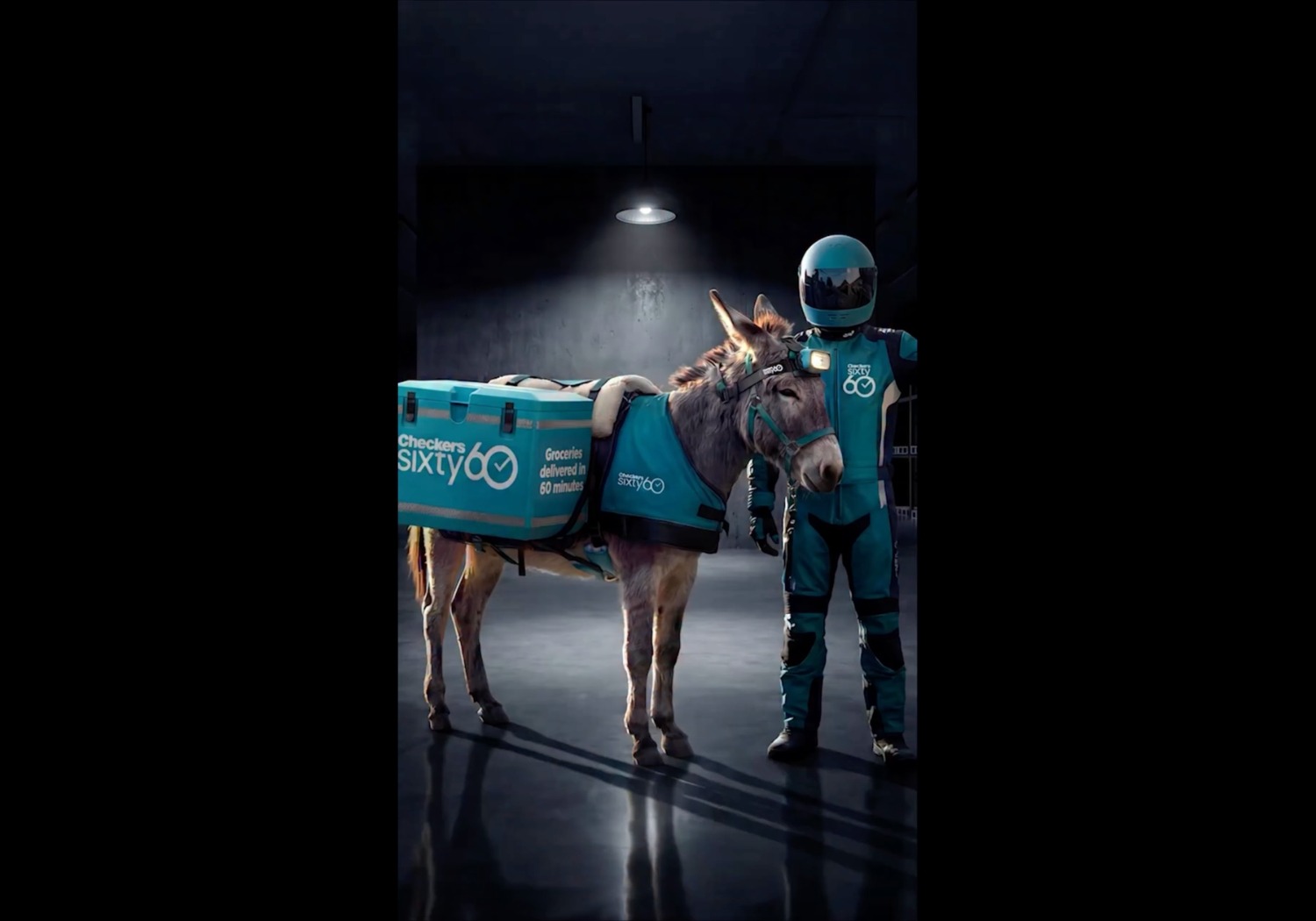
The creative expression? A donkey.
Slow. Outdated. Inefficient.
The kind of system you’d expect in a world where rising costs justify declining service.
But Sixty60 flips the narrative.
The donkey becomes a symbol of everything the category has trained people to accept:
Delays. Excuses. Compromise.
And by contrast, Sixty60 positions itself as the opposite:
Fast. Predictable. Engineered.
The brand doesn’t shout about speed. It shows what slow looks like, then quietly steps away from it.
The Why
What kind of marketing is this?
It’s expectation-breaking positioning.
Why does it work?
It enters the conversation before the customer does
People were already anticipating bad news. Sixty60 didn’t wait to respond. It led.
It removes a perceived inevitability
Delivery fees going up felt guaranteed. By rejecting that, the brand creates immediate relief.
It reframes the category standard
Instead of competing on “fast delivery”, it challenges the idea that inefficiency and price increases are acceptable at all.
It uses humour with purpose
The donkey isn’t random. It’s a metaphor that simplifies a complex issue into something instantly understood.
It builds trust through certainty
In a volatile environment, predictability becomes a premium. Sixty60 makes it feel standard.
This is the strategic shift:
From “we deliver fast” to “we don’t pass problems onto you”.
And that shift attracts rather than chases.
The Way
Mechanic 1: Anchor your message in a real-world moment
Fuel price increases created the tension. The campaign plugged directly into it.
Mechanic 2: Say what people don’t expect to hear
Instead of explaining a price increase, they rejected it entirely.
Mechanic 3: Use metaphor to simplify the message
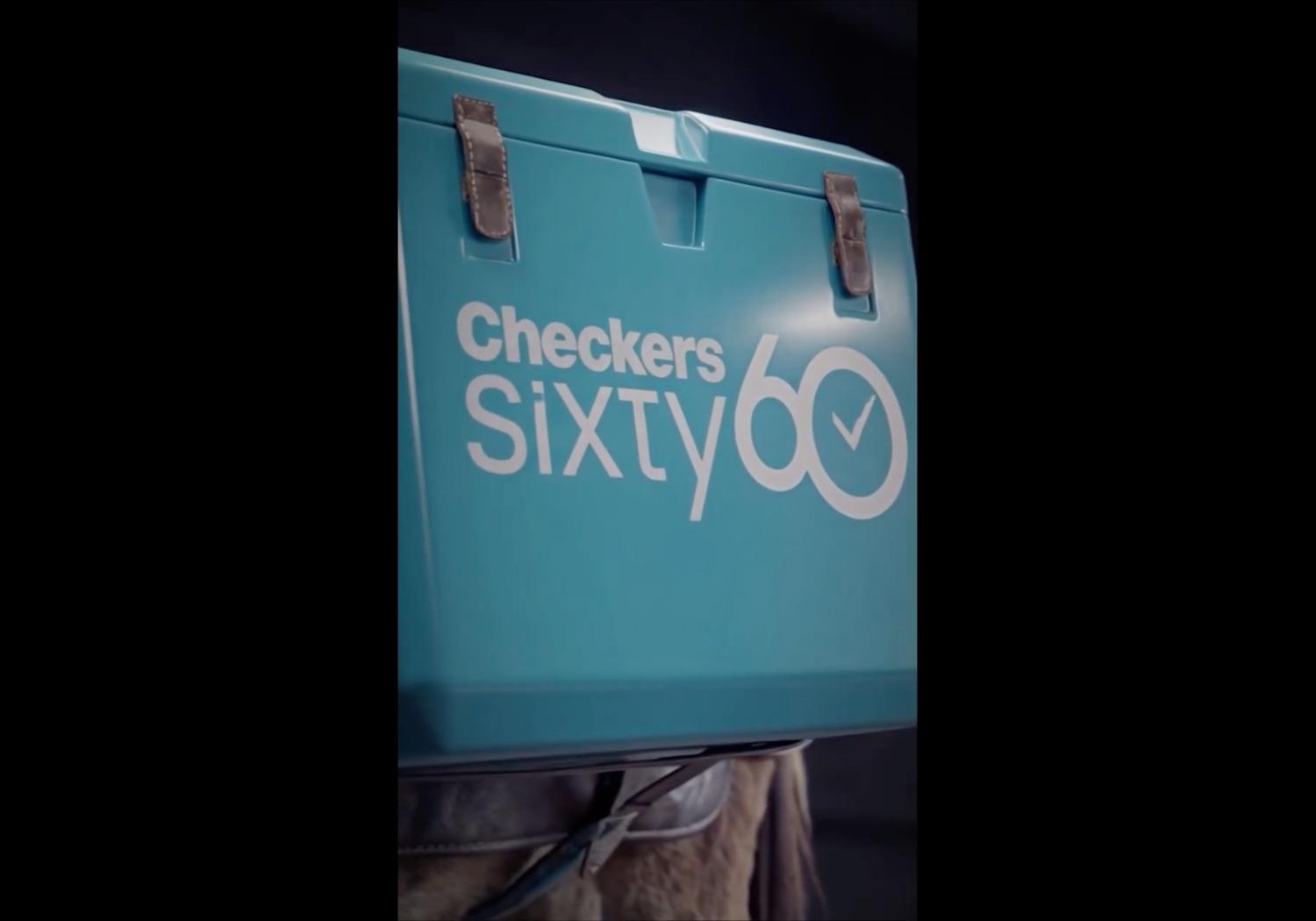
The donkey makes the abstract (inefficiency, rising costs) tangible and memorable.
Mechanic 4: Position against the category, not a competitor
They didn’t name names. They made the entire alternative feel outdated.
Mechanic 5: Lead with certainty
No qualifiers. No conditions. Just a clear, confident stance.
Measurement
Attention
High engagement driven by cultural relevance. The message travels because it reflects a shared national moment.
Brand Meaning
Stronger association with reliability, fairness, and operational excellence, not just speed.
Long-Term Equity
Sixty60 shifts from a convenience service to a trusted default. A brand that absorbs pressure, rather than passing it on.
What to do next
- Identify moments where your audience expects friction or bad news
- Challenge the “accepted reality” of your category
- Replace reactive messaging with proactive positioning
- Use simple, symbolic creative to land complex ideas
- Build trust through consistency, not promises you can’t sustain
In short: Checkers Sixty60 didn’t just respond to rising fuel prices. It showed that trust isn’t built in good times, but in the moments people expect to lose it.