
The Work
Not every cultural moment belongs to a brand.
But that does not stop brands from trying.
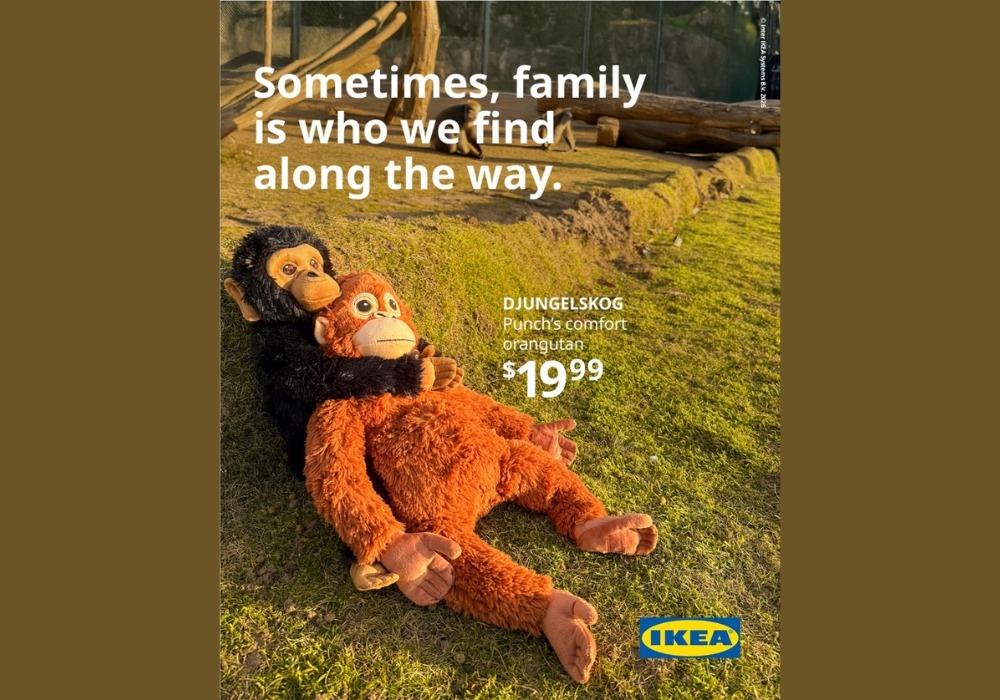
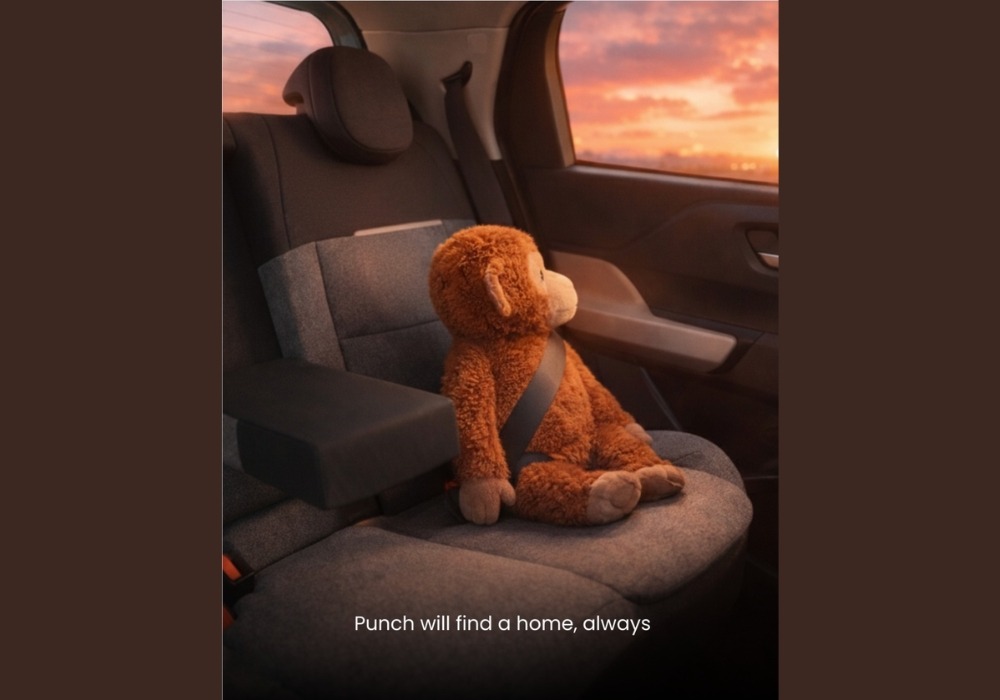
When Punch, a baby macaque at Ichikawa City Zoo, was seen clinging to his IKEA Djungelskog plush for comfort, the internet responded instinctively. The story was pure. Emotional. Unmanufactured.
And then the brands arrived.
IKEA was the centre of gravity. The plush was theirs. Their response was measured. Donations to the zoo. Soft acknowledgement. No aggressive retail push. They understood the assignment.
But beyond IKEA, others saw opportunity.
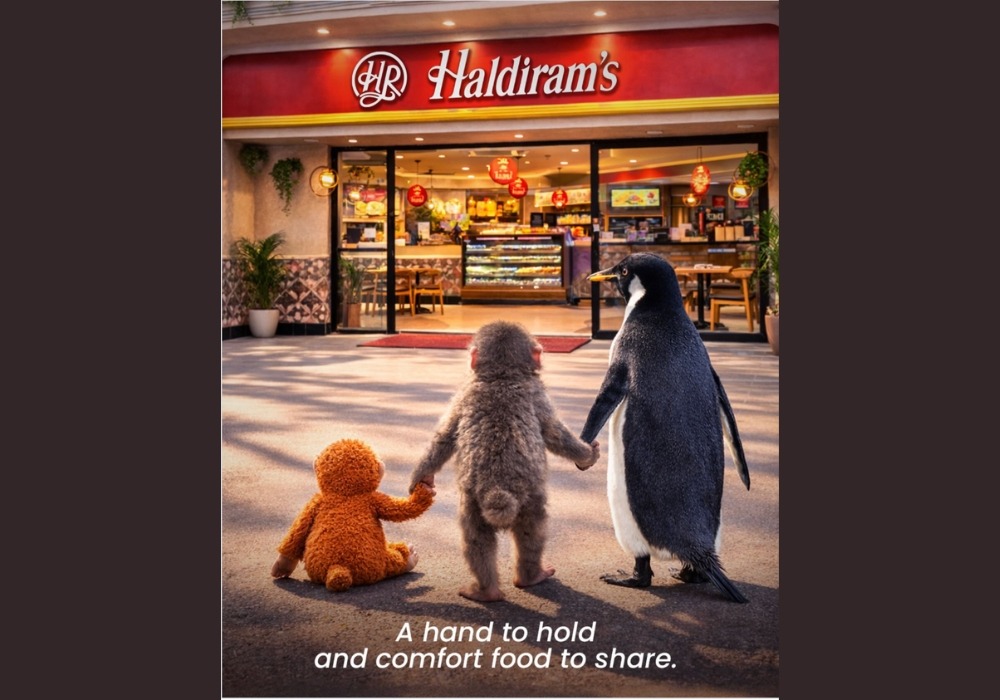
Haldiram’s joined the conversation with playful, emotionally framed creative. Comfort meets comfort food. A warm, culturally tuned response that linked the moment to their brand language of nostalgia and familiarity.
Visit Italy reframed Punch’s story through destination storytelling. Even in vulnerability, there is beauty. Even in quiet spaces, there is connection. They used the emotional tone as a bridge to travel inspiration.
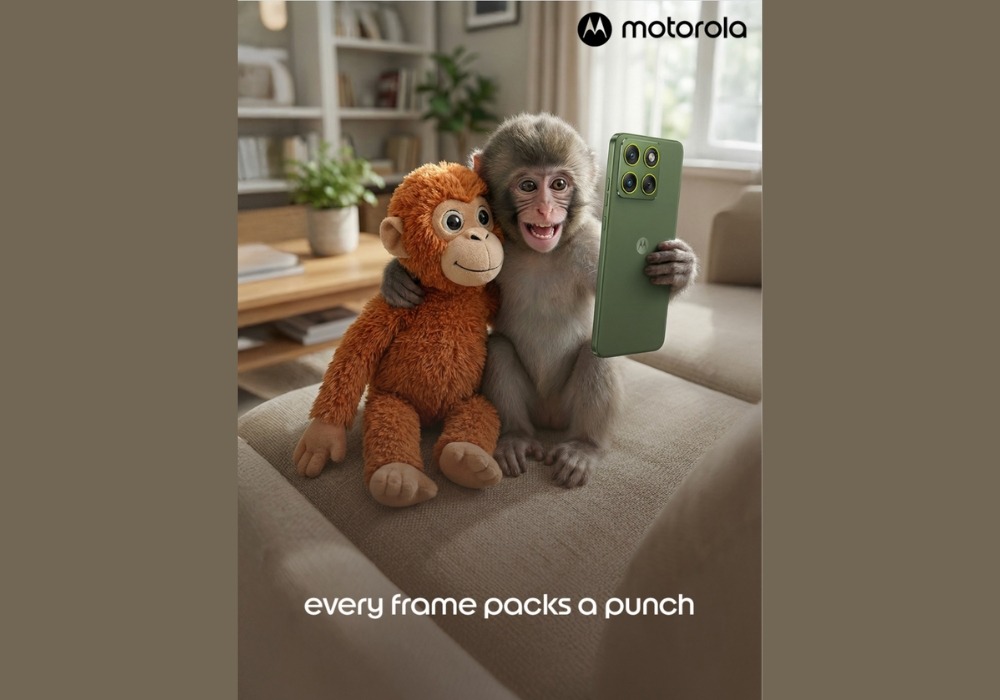
Motorola inserted tech into tenderness. Capturing moments. Staying connected. The brand aligned the story with memory-making through mobile photography.
Tata Motors positioned protection and safety as emotional reassurance. Strength that shelters. A vehicle as a space of comfort.
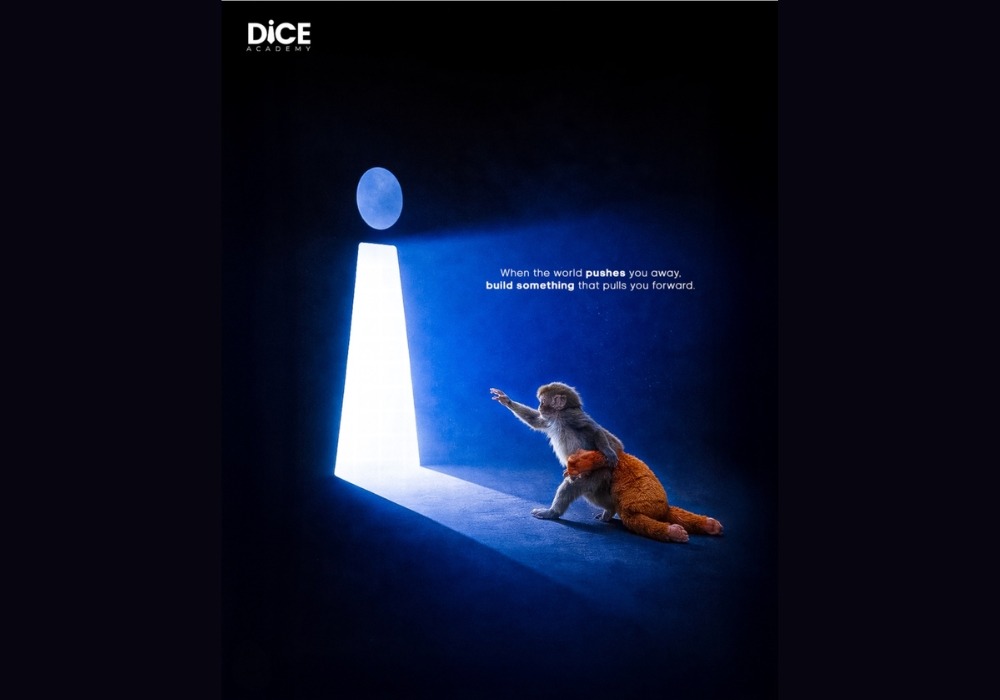
Dice Academy leaned into relatability. Study stress. Emotional support. The plush as metaphor for academic resilience.
Some executions were thoughtful. Some were reactive. Some were clever but thin.
The common thread was clear:
When culture moves, brands move with it.
The difference lies in how.
The Why
What kind of marketing was this?
Unplanned cultural magnetism.
Punch’s story worked because it was real. There was no campaign brief. No influencer seeding. No paid boost strategy. Just vulnerability captured at the right time.
That emotional clarity created gravity. And gravity attracts brands.
Why did so many join?
Because the story carried three powerful assets:
- Built-in emotional equity
- Global shareability
- A clear visual anchor
The plush toy was recognisable. The emotion was universal. The narrative was simple.
But here is the strategic tension.
Cultural moments are not equal invitations.
IKEA’s involvement felt legitimate. The product was already embedded in the story. Their DNA of comfort and home aligned naturally.
For the others, the calculus was different.
Did the brand add meaning?
Or did it borrow attention?
There is nothing inherently wrong with participation. Agile brands should engage with culture. But participation must pass a simple test:
Does this deepen our positioning, or dilute it?
Haldiram’s could credibly speak about comfort.
Tata Motors could credibly speak about protection.
Motorola could credibly speak about capturing moments.
Where alignment was strong, the content felt additive.
Where alignment was stretched, it felt opportunistic.
And audiences can tell the difference instantly.
This is the modern paradox of real-time marketing.
Speed wins attention.
Restraint wins trust.
The Way
If you are navigating cultural moments like this, here is the strategic filter.
Mechanic 1: Earn Your Place in the Story
Proximity matters.
IKEA belonged in the narrative because the product was physically present. If your brand has no natural link, think twice.
Mechanic 2: Translate Through Your Core Positioning
Do not twist your brand to fit the trend.
Fit the trend through your brand.
Comfort for Haldiram’s.
Protection for Tata Motors.
Connection for Motorola.
The strongest responses echoed existing brand truths.
Mechanic 3: Match the Emotional Temperature
When the internet is tender, do not be loud.
When the story is vulnerable, do not be flippant.
Tone is strategy.
Mechanic 4: Add Value, Not Volume
Ask one question before posting:
If we stayed silent, would the story lose anything?
If the answer is no, reconsider.
Mechanic 5: Think Beyond the Spike
Viral moments fade.
Brand memory compounds.
The goal is not impressions. It is imprint.
Measurement
Attention
High engagement across participating brands. Rapid shareability. Reactive creative cycles measured in hours, not weeks.
Brand Meaning
IKEA strengthened its association with comfort and emotional care.
Other brands experienced short-term visibility, with impact tied directly to authenticity of fit.
Long-Term Equity
The brands that aligned with existing positioning reinforced trust.
Those that simply trend-jumped gained reach but little residual meaning.
Cultural participation without strategic anchoring creates noise, not narrative
What to do next
- Define your non-negotiable brand territories before the next viral moment hits
- Build rapid response guidelines rooted in positioning, not popularity
- Train teams to assess emotional tone before creative execution
- Create a decision tree for when to engage and when to observe
- Prioritise long-term brand gravity over short-term algorithm wins
The Baby Monkey Punch moment was never a marketing campaign.
It was a reminder.
Emotion travels first.
Brands follow.
The question is not whether you can join the conversation.
It is whether you belong there.
In short: This wasn’t about a plush toy going viral. It was about which brands understood comfort and which just chased attention.