


The Work
Sometimes the most interesting marketing moments are not campaigns at all.
They are reactions.
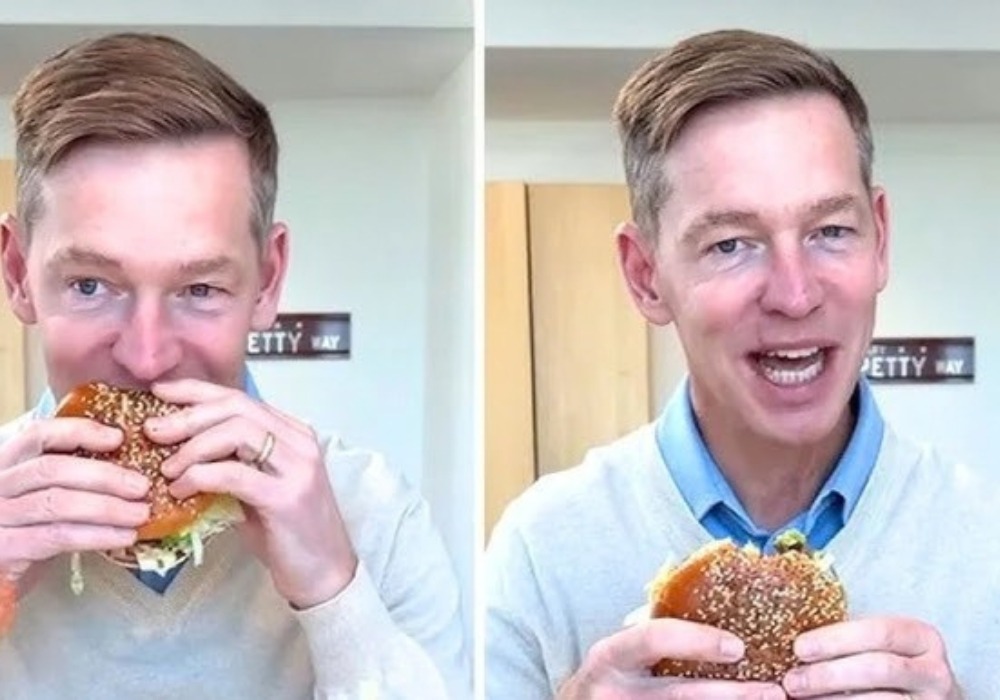
When McDonald’s CEO Chris Kempczinski posted a promotional video tasting the brand’s new Big Arch burger, the intention was simple. Show leadership behind the product. Reinforce confidence. Humanise the brand.
Instead, the internet noticed something else.
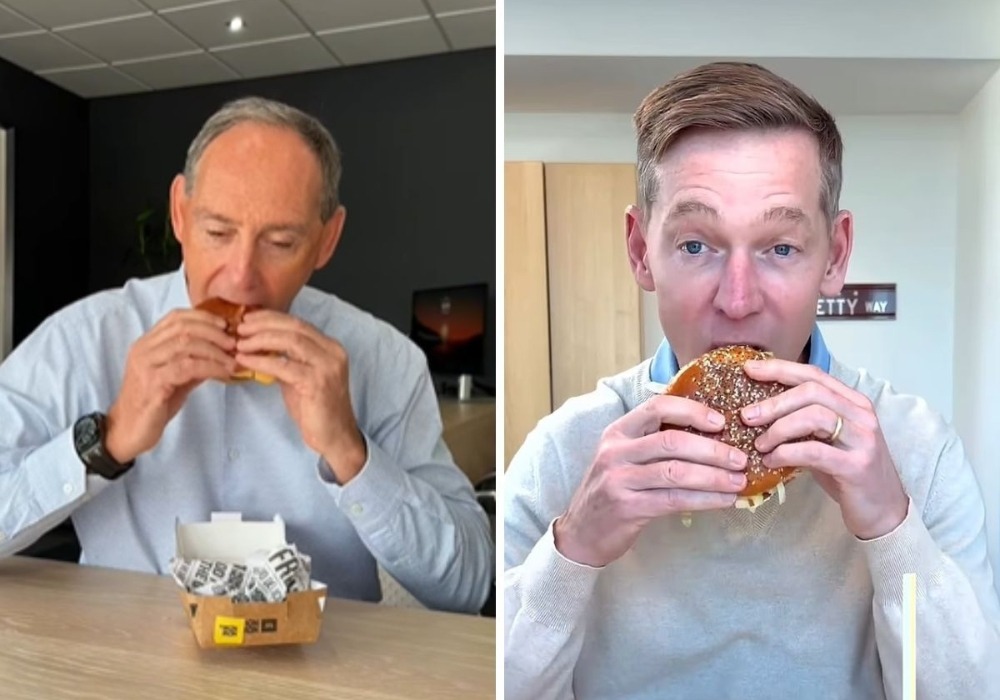
The bite was hesitant. The delivery felt scripted. The moment landed somewhere between corporate and uncomfortable.
Within hours the clip was circulating across social platforms. Not as advertising, but as a meme.
People joked that the CEO looked like someone who had never eaten a burger before.
The conversation moved quickly from promotion to parody.
Then another brand stepped into the moment.
Woolworths released a short video with a simple line:
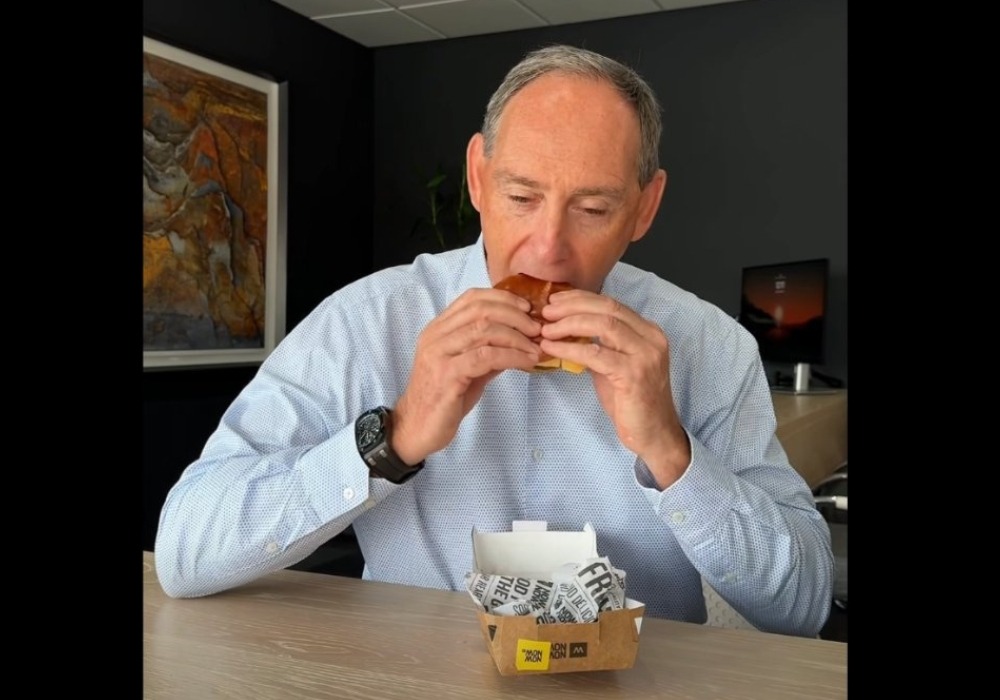
“In case you're wondering how our CEO eats a burger…”
The clip showed the Woolworths CEO confidently biting into a burger. No script. No explanation. Just a playful nod to the viral moment already circulating online.
It was not polished. It was not produced.
But it understood the assignment.
Where McDonald’s accidentally created the moment, Woolworths understood how to participate in it.
The Why
What kind of marketing is this?
It is cultural participation.
Not campaign thinking. Conversation thinking.
Why does it work?
It meets attention where it already exists
The McDonald’s video had already captured public attention. Woolworths did not try to redirect the conversation. They stepped inside it.
Modern audiences reward brands that understand the moment they are already sharing.
It uses humour instead of promotion
The Woolworths clip does not sell a product. It sells awareness.
Humour signals something important to audiences. This brand is paying attention.
That signal builds relatability far faster than traditional advertising.
It proves speed matters more than polish
The response worked because it arrived while the conversation was still fresh.
In cultural moments, timing is the creative.
Perfection arrives too late.
It shifts the brand from advertiser to participant
Most brands interrupt conversations.
The brands that win attention today participate in them.
That small shift changes how audiences respond.
Because participation feels human.
And human brands are easier to trust.
The Way
Mechanic 1: Watch culture before trying to lead it
Not every moment needs to be created. Some just need to be recognised.
Mechanic 2: Move quickly, not perfectly
Speed signals authenticity. Overproduction signals planning.
In cultural moments, the first response often wins.
Mechanic 3: Join the joke, don’t dominate it
The best brand humour feels light. It acknowledges the moment without trying to control it.
Mechanic 4: Understand the difference between campaigns and moments
Campaigns build long-term brand equity. Cultural moments build short-term attention.
Smart brands know how to use both.
Mechanic 5: Say less
The Woolworths clip worked because the joke explained itself.
When culture already understands the reference, the brand does not need to over-explain.
Measurement
Attention
High organic reach driven by cultural relevance rather than paid distribution.
Brand Perception
Woolworths positioned itself as culturally aware and self-aware. A brand comfortable enough to join the joke.
Social Currency
Moments like this give brands something increasingly valuable. Shareability.
People share content that feels like part of the internet conversation.
Not like an advert.
What to do next
- Build systems that monitor cultural moments, not just campaign performance
- Empower social teams to respond quickly without layers of approval
- Prioritise tone and awareness over production quality in reactive content
- Use humour carefully. The goal is participation, not attention-seeking
- Recognise when a moment belongs to culture, not the brand
The McDonald’s video reminds us of something simple.
In the social media era, attention rarely behaves the way brands expect.
Sometimes the moment you planned becomes the joke.
And sometimes the brand that wins is simply the one that understood the joke first.
Because in modern marketing, relevance is rarely created.
More often, it is recognised.
In short: This wasn’t about selling a burger. It was about recognising a cultural moment and showing how quickly brands can join the conversation.