


The Work
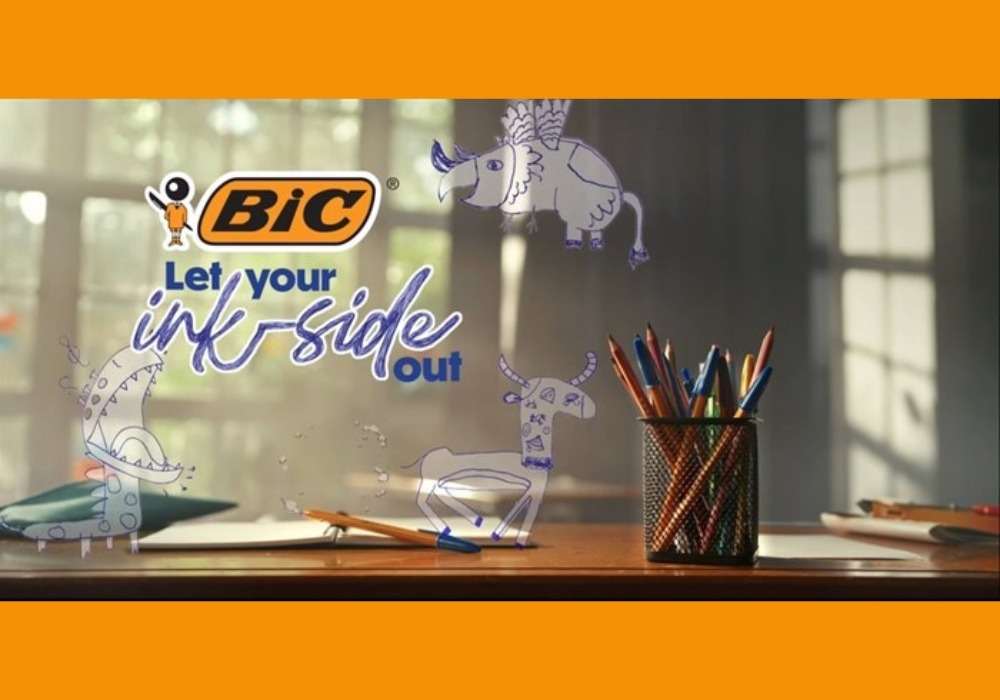
Let your ink-side out is a back-to-school campaign built around a deceptively simple truth. Every school year starts with a blank page. What matters is what a child feels confident enough to put on it.
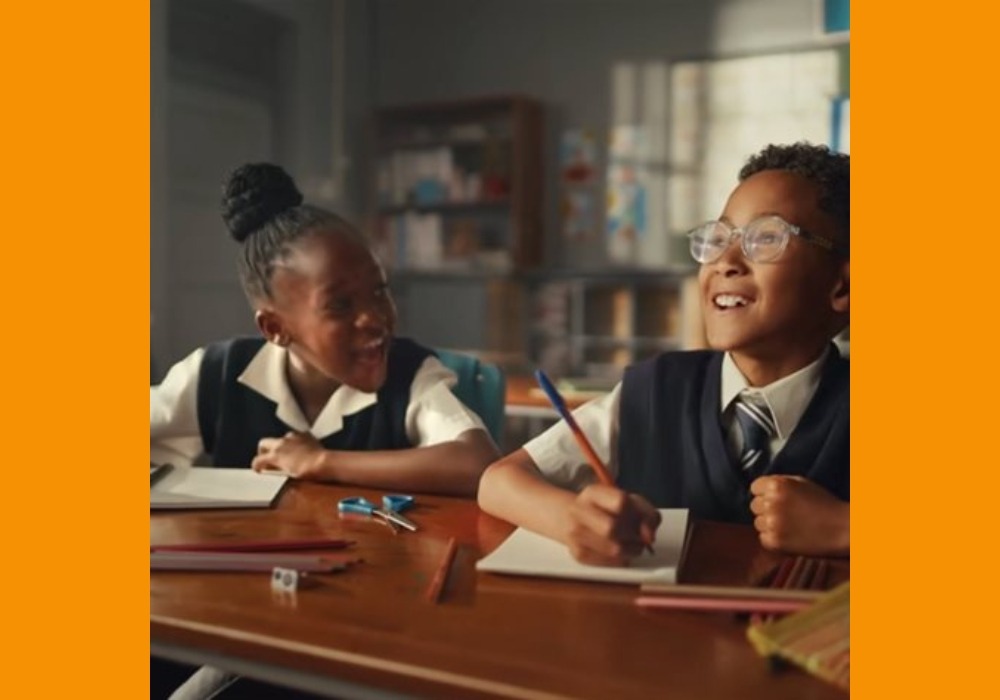
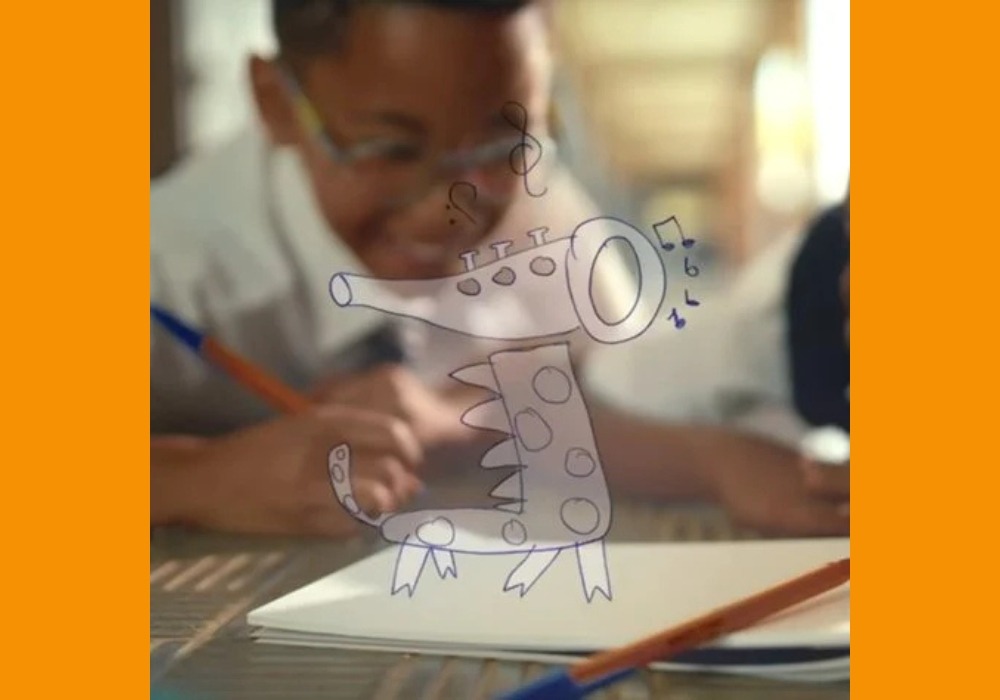
The film centres on real children’s drawings and inner worlds. Their monsters, heroes, stories and scribbles become the narrative. Bic stationery is present, but never dominant. It is not positioned as the hero. It is positioned as the enabler.
The execution avoids polish in favour of authenticity. The line work is imperfect. The imagination is raw. The animation feels like it has grown directly from a school book, not a studio. This is a deliberate choice. The campaign does not aestheticise creativity. It honours it.
There is no product demo. No feature list. No claim of superiority. Instead, Bic shows up as the quiet constant that has always been there, from the first shaky line to the confident stroke. The message is not about preparing children for school. It is about reminding adults what school feels like when creativity is allowed to lead.
The work understands that stationery is not just a tool for learning. It is a tool for identity, confidence and self-expression.
The Why
What kind of marketing is this?
It is permission-based branding.
Why does it work?
- It reframes the category.
Back-to-school marketing usually speaks to parents about preparation, readiness and performance. This campaign speaks to children about expression and possibility. - It centres emotion, not utility.
The value of Bic is not explained. It is felt. The emotional connection between a child and their imagination does the persuasion. - It respects the audience.
Children are not spoken down to. Parents are not sold to aggressively. The campaign trusts that if you honour creativity honestly, the brand meaning will follow. - It aligns brand purpose with lived experience.
Championing creativity is not a slogan here. It is shown through real voices, real drawings and real joy. - It understands what school really is.
Not just a place for grades, but a place where confidence is built, ideas are formed and imagination takes shape.

The Way
Mechanic 1: Lead with imagination, not product
When creativity takes centre stage, the product earns relevance naturally.
Mechanic 2: Use real voices, not polished metaphors
Authenticity beats perfection, especially when speaking to childhood.
Mechanic 3: Treat creativity as emotional infrastructure
Tools matter because of what they unlock, not how they perform.
Mechanic 4: Align purpose with behaviour, not statements
If you believe in creativity, show how it lives, not how it sells.
Mechanic 5: Let restraint do the work
The quieter the brand presence, the stronger the emotional imprint.
Measurement
Attention
High engagement driven by emotional resonance and relatability rather than spectacle.
Brand Meaning
Stronger association with creativity, confidence and childhood development, not just stationery.
Long-Term Equity
Positioning Bic as a lifelong companion in learning and self-expression, not a seasonal purchase.
What to do next
-
Revisit what your product enables, not what it does
-
Speak to the emotional truth of the moment, not the commercial urgency
-
Let real human expression lead the story
-
Use restraint as a strategic tool
-
Build campaigns that children would recognise as honest
In short: Let your ink-side out does not try to own back-to-school. It protects the magic inside it. Because when brands stop chasing attention and start honouring imagination, trust follows naturally.