

What happened
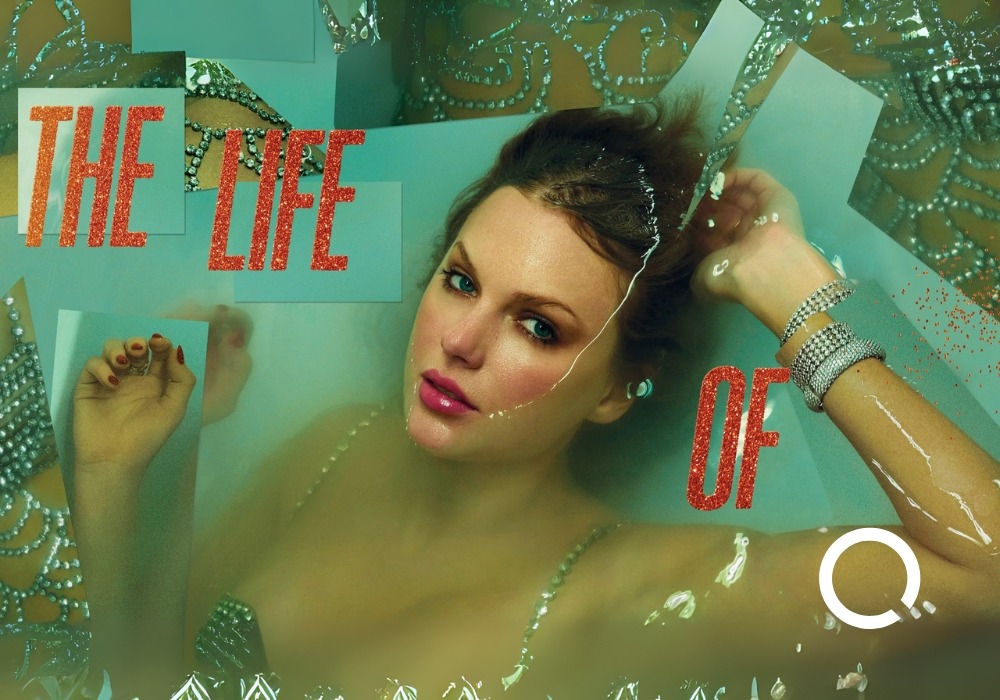
Taylor Swift’s twelfth album, The Life of a Showgirl, arrives with an orange-first visual language and wall-to-wall coverage across feeds. Many brands will rush to echo the colour and the headlines. You could follow suit and you would collect views, yet you are unlikely to earn lasting respect. Trends can lend attention, but they rarely build trust. The smarter move is to show taste, not mimicry. Anchor your response to a clear stance, speak to the problem your audience is trying to solve, and add a point of view that would still make sense once the timeline moves on. That is how you build relevance that compounds, rather than noise that fades.
Why it matters now
Your audience is smart. They can spot when a brand is dressing up for likes. If you try to copy a moment, you often end up looking late or awkward. If you back something you truly care about, people feel it. That is how trust starts.

The simple plan
If you want to feel current without copying the moment, set a simple stance and stick to it. Write one clear line that explains what your brand stands for and who it is for. Use that line as a filter for every idea. If a trend helps you express that stance in a way your audience will recognise, consider it. If it drags you off message, leave it.
Keep your expression light and honest. You do not have to repaint the brand or perform a costume change. Tweak a caption, choose a single supporting visual, or add one short line that links the news to what you already do. “Here is how we think about big pop moments” is stronger than a forced reference. The aim is to add your point of view, not to cosplay someone else’s.
Focus on the moments where people hesitate. If a feature or offer feels new, anchor it to something familiar in one plain sentence. “Like this, for that.” Then move on. You are helping people feel safe to try, not trying to impress them with cleverness.
Decide in advance what good looks like. Favour simple signals that show intent. More saves than likes. More replies than reactions. A short note from someone who says the message helped them decide. If you can repeat the approach next month with the same tone and it still makes sense, you are building equity. If it only works while this week’s colour trends, it is noise.
What to measure
Pick two or three. Compare before and after for a week.
- Saves over likes. Saves show intent.
- Replies and DMs over reactions. Real questions beat quick emojis.
- Clicks on “learn more” or “pricing”. Curiosity that moves forward.
- Time on page or video watch time. Did people stick around?
- RSVP to the attendance ratio. Not just interest, action.
- Email replies or contact form notes. Warmer signals than opens.
- Fewer early exits on key pages. Less bounce at the nerve points.
Watch outs
- Do not force the reference. If it feels like dress-up, skip it.
- One line, one visual, one point. Keep it small and clear.
- Use cues your audience actually knows. Familiar, not niche.
- No colour-swaps for the sake of it. Stay on brand.
- Avoid vanity spikes. If it will not make sense next month, leave it.
- Be respectful of fan communities. Do not hijack their language.
- Sense-check timing. Avoid moments that clash with serious news.
Proof box
- Familiar cues lower friction. When something feels known, people try it faster.
- Consistency compounds. Small, steady signals beat one noisy spike that fades.
- Trust follows care. When the story is about the work and the people, not the stunt, brands earn credit.
- Relevance is taste. Choosing what fits your stance builds memory and loyalty over time.