

The Work
Some campaigns ask for attention.
This one arrived stained with it.
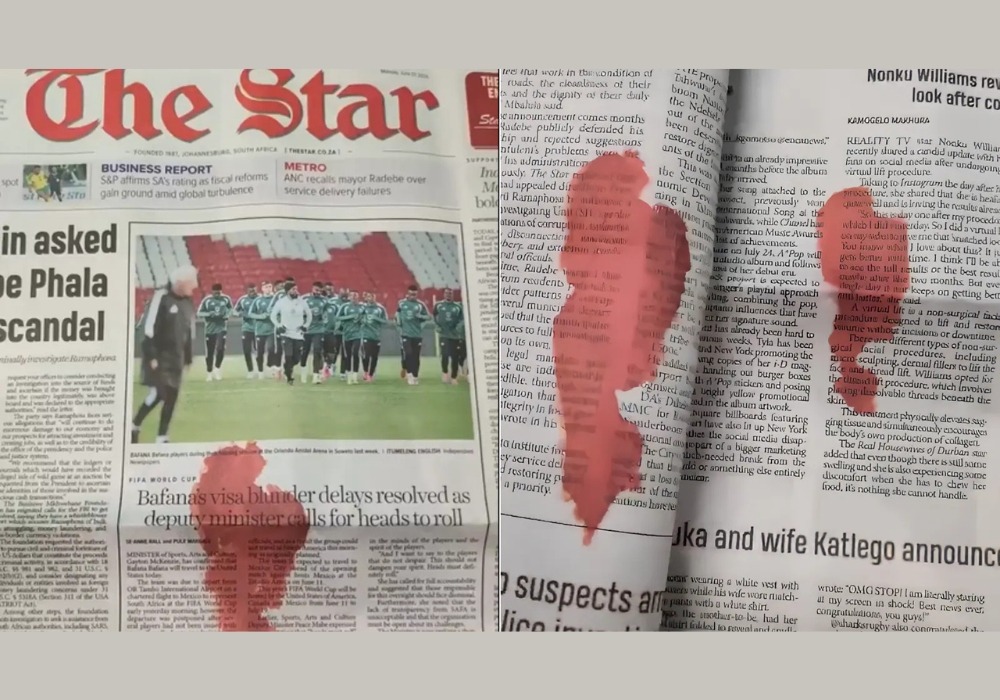
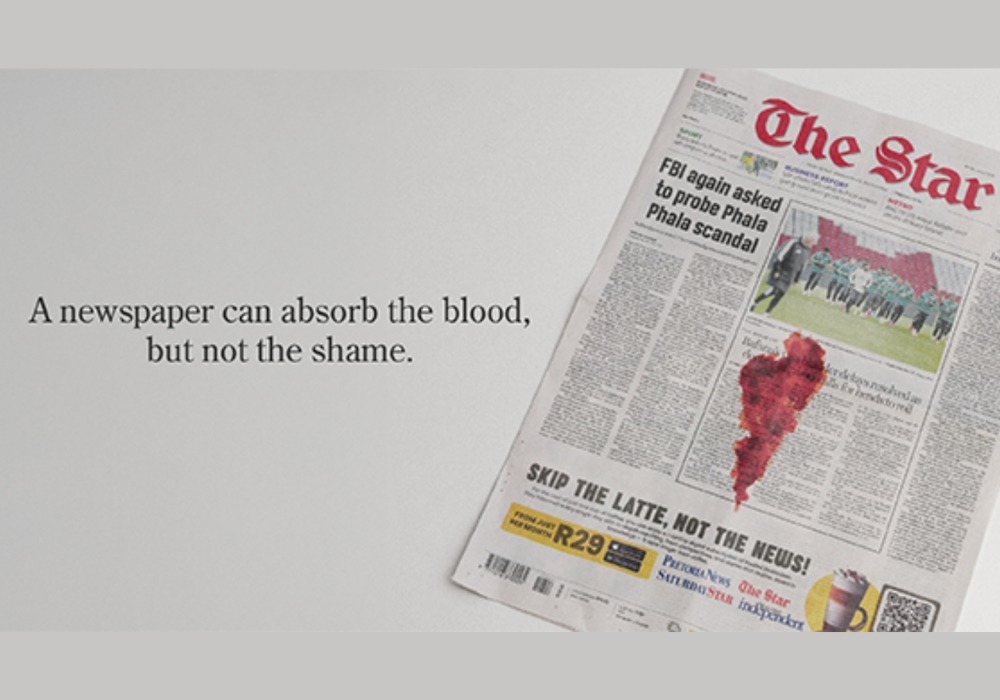
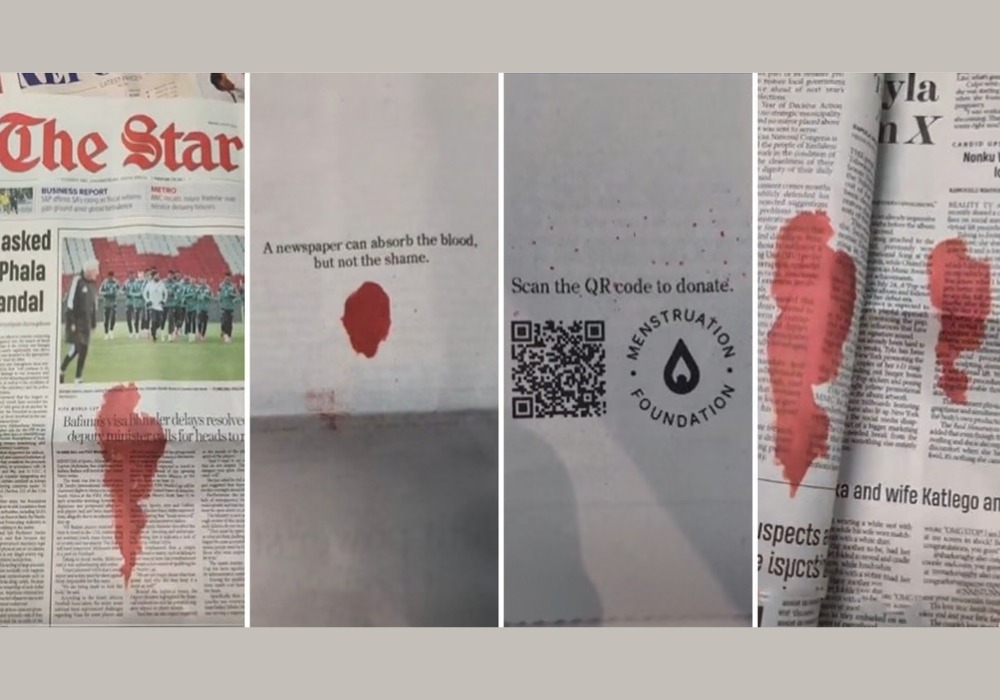
Readers of three major South African newspapers opened their morning editions to find what appeared to be blood seeping through the front page. The stains spread across headlines and images, transforming an everyday object into something deeply confronting.
The visual intervention was designed to reflect a reality faced by millions of schoolgirls living with period poverty.
When sanitary products are inaccessible, many turn to newspapers, rags and other unsafe alternatives to manage their periods.
The campaign's message was simple:
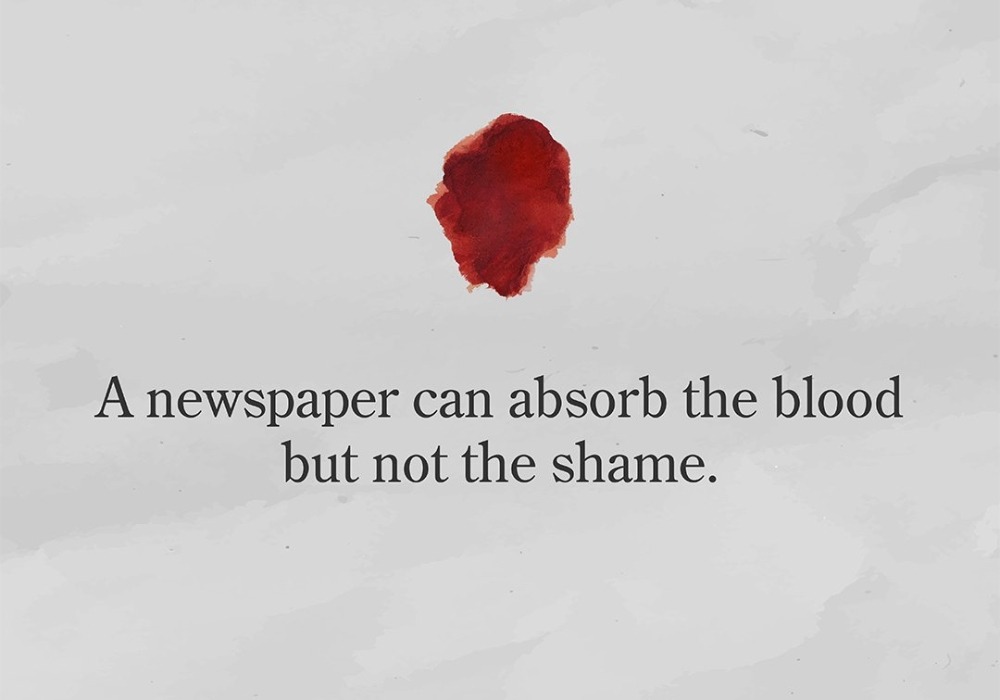
"A newspaper can absorb the blood, but not the shame."
Rather than directing people towards statistics first, the campaign placed them inside the problem.
The newspaper itself became the demonstration.
The medium was no longer carrying the story.
It was the story.
Behind the striking visual sat a broader mission to raise awareness of period poverty and support access to sanitary products for schoolgirls across South Africa.
The result was impossible to scroll past, ignore or discard without reflection.
The Why
What kind of marketing is this?
It is issue-led awareness marketing.
Why does it work?
It turns a statistic into an experience
Many people understand period poverty intellectually.
Far fewer understand what it looks like in practice.
By placing blood-stained newspapers directly into readers' hands, the campaign closes that gap instantly.
The audience does not read about the issue.
They encounter it.
It uses the medium as the message
The strongest campaigns often eliminate the distance between story and execution.
A newspaper is one of the substitutes some girls are forced to use.
Turning the newspaper into the creative vehicle creates immediate understanding without lengthy explanation.
The symbolism does the work.
It creates discomfort with purpose
Most advertising tries to make audiences feel good.
This campaign intentionally creates unease.
Not for shock value, but because the issue itself is uncomfortable.
The discomfort becomes a catalyst for attention, conversation and action.
It reframes an everyday object
Newspapers are familiar and disposable.
Periods are often treated as private and invisible.
Bringing the two together transforms both.
Something ordinary suddenly carries emotional weight.
It makes the invisible visible
Period poverty often exists outside public conversation.
This campaign places it directly in the public sphere.
Not quietly.
Not subtly.
But in a way that cannot be overlooked.
That visibility is the strategic objective.
Because awareness is often the first step towards action.
The Way
Mechanic 1: Make the medium do the talking
The most memorable campaigns embed the message into the format itself.
When execution and idea become inseparable, impact increases.
Mechanic 2: Show the problem, don't explain it
People remember experiences more than facts.
Demonstration often beats description.
Mechanic 3: Use disruption selectively
The blood-stained newspapers worked because the disruption served the message.
Shock without purpose fades quickly.
Shock with meaning drives conversation.
Mechanic 4: Bring hidden issues into public spaces
Awareness grows when private challenges become shared conversations.
Visibility creates momentum.
Mechanic 5: Create emotional understanding before asking for action
People act when they feel something, not just when they know something.
The emotional response comes first.
The call to action follows.
Measurement
Attention
High earned media potential driven by the unexpected visual execution and public conversation around the issue.
Brand Meaning
Stronger association with advocacy, social impact and meaningful action rather than awareness alone.
Behaviour Change
Increased awareness of period poverty and greater consideration of how small contributions can create long-term impact.
Long-Term Equity
A campaign capable of becoming a reference point in conversations around dignity, education and menstrual health.
What to do next
- Audit whether your message can be demonstrated rather than explained
- Identify overlooked realities your audience understands intellectually but has never experienced emotionally
- Look for ways to make the medium part of the idea
- Use disruption to deepen meaning, not simply attract attention
- Build campaigns that create understanding before asking for action
The strongest awareness campaigns do not just tell people a problem exists.
They make people feel its presence.
Because when the audience experiences the issue for themselves, even briefly, indifference becomes much harder to maintain.
In short: The campaign didn't use newspapers to tell a story. It turned the newspaper into the story itself.